Jaskirat Singh Sudan

M.S. in Artificial Intelligence (’26) || University of Michigan–Dearborn

Representation Learning || SSL Embeddings || Audio Forensics || Computer Vision

M.S. student in AI at UM-Dearborn. At ISSF Lab, my Master’s thesis studies contrastive representation learning for robust deepfake detection, focusing on how loss design and similarity choices shape embedding geometry and out-of-domain generalization. Earlier in the lab, I implemented a from-scratch replication of a two-stage deepfake detection framework and built speaker-specific diagnostics for analysis. Before this at TAI Lab, I lead a 5-member team developing a visible-light tag authentication system. Previously a Research Assistant at IIT Indore (star-catalog navigation, RF-interference mitigation for GMRT). B.Tech in Computer Science, Medi-Caps University (’24). My interests are computer vision and machine learning, especially representation learning and self-supervised embeddings.

I believe real understanding can’t come from text alone. Like humans, models need perception to build “mental models” of the world. My work uses representation learning and self-supervised learning, pretext tasks like mask-and-reconstruct for images, video, and audio to force models to form rich embeddings (their internal mental images). By shaping these embeddings with tailored losses, I steer what models attend to and how they reason. Goal: systems that truly grasp the world, not just the words about it.

Master’s Thesis (In Progress)

Contrastive Representation Shaping for Generalizable Deepfake Detection

ISSF Lab || UMich – Dearborn || Aug 2025 – Present

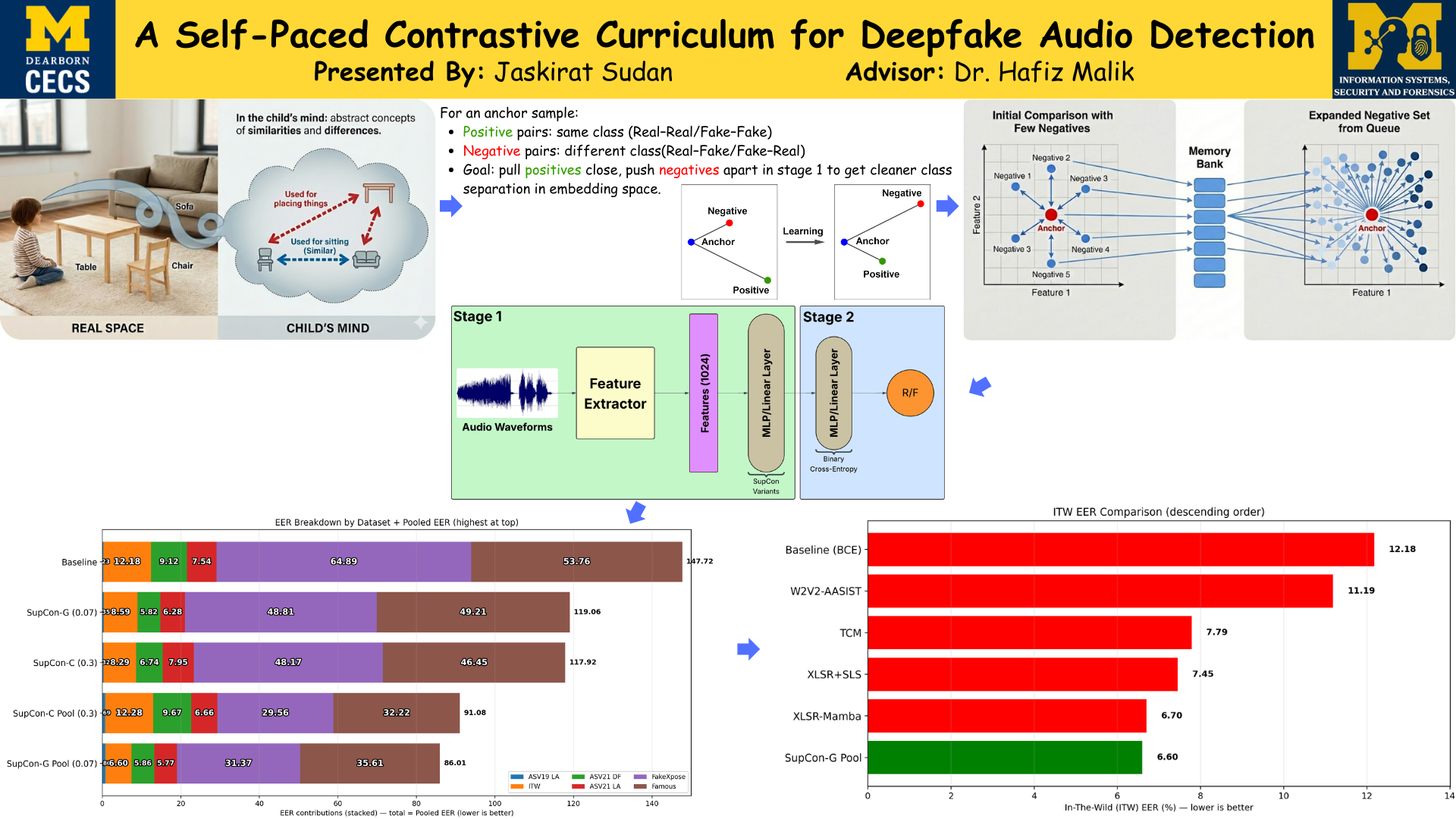
My thesis investigates how training objectives shape embedding geometry for robustness and generalization on OOD (out-of-domain) datasets. I develop a two-stage pipeline that first learns discriminative embeddings using supervised contrastive learning and then trains a lightweight classifier.

  • Exploring similarity choices (cosine vs geodesic-style similarity), hard-negative mining, and uniformity-style regularization
  • Evaluating generalization across ASVspoof-style benchmarks and in-the-wild datasets
  • Running experiments on UMich Great Lakes (HPC) with SLURM and multi-GPU PyTorch training

Selected Projects

SLIM replication

Speaker-Specific SLIM (From-Scratch Replication)

Oct 2025 || Self Supervised Learning

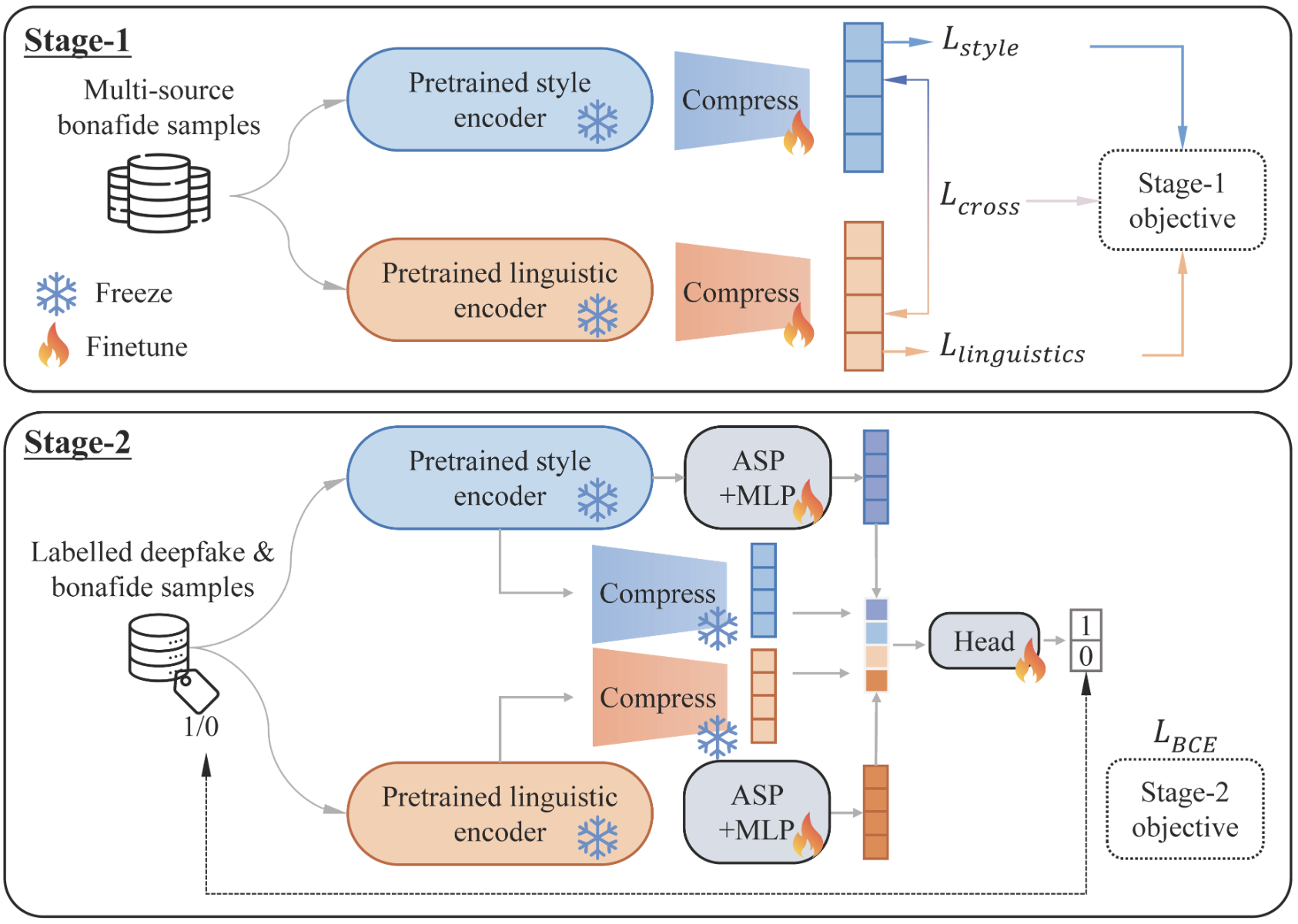
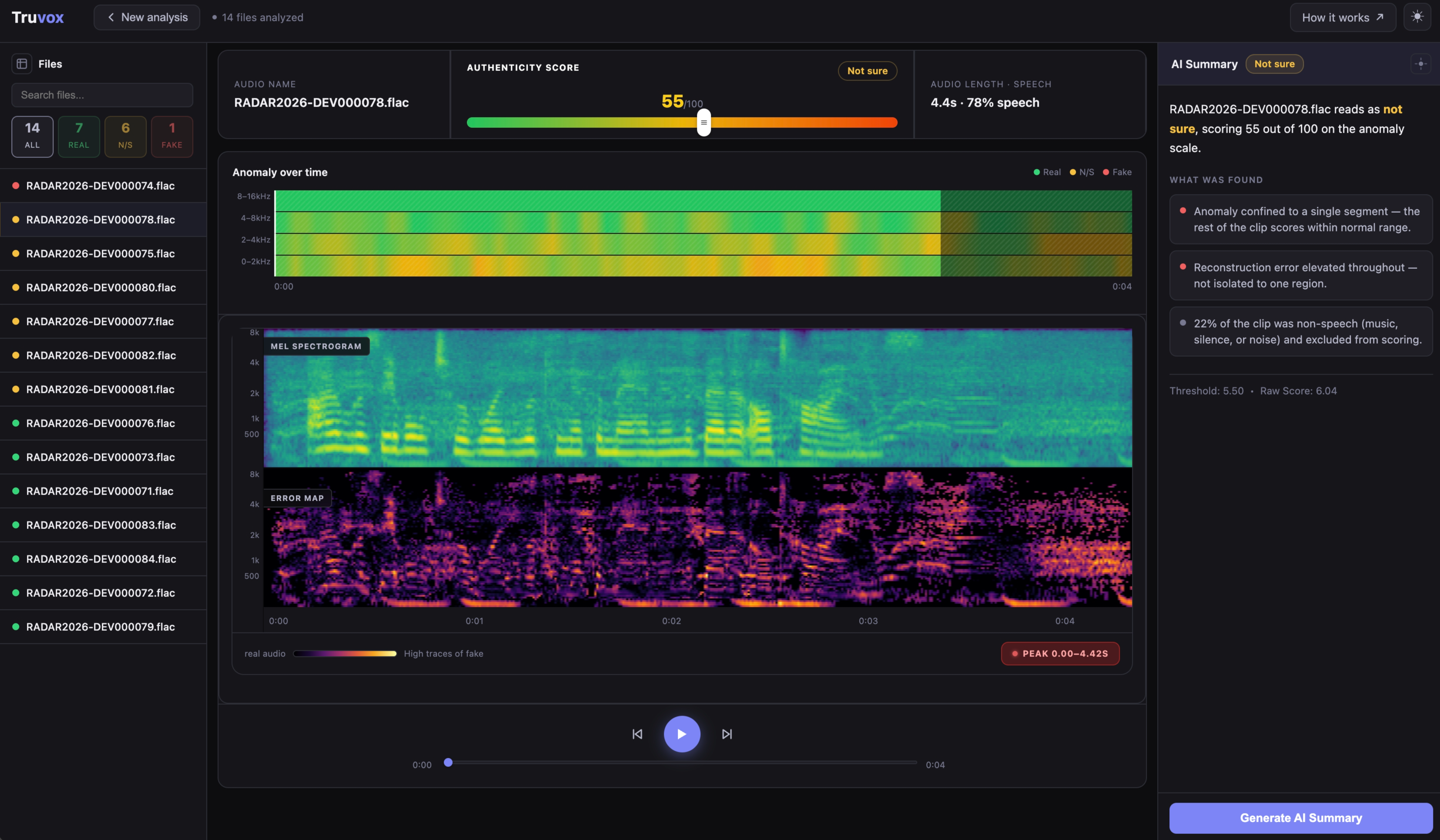
Implemented a from-scratch replication of a two-stage deepfake detection framework: Stage-1 learns compressed style/linguistic representations from SSL encoders and Stage-2 trains a classifier with augmentation. Includes Wav2Vec2/WavLM variants, EER evaluation, and speaker-specific embedding/diagnostic visualizations.

Contrastive Siamese demo

Contrastive Learning with Siamese Network

Apr 2025 || Representation Learning

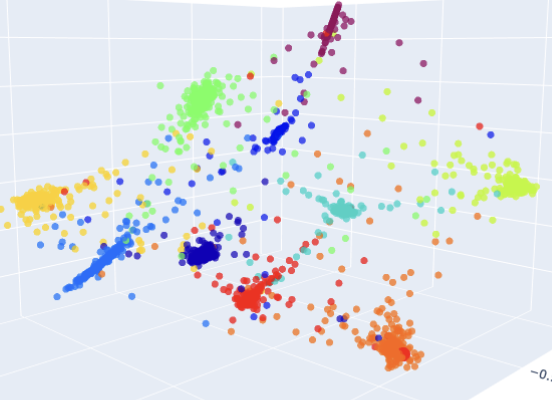
Built a Siamese network on MNIST with contrastive loss to learn a 128-D embedding where similar digits are close and dissimilar ones far apart; includes a Tkinter+Plotly GUI for pairwise similarity, few-shot classification, and 3D embedding visualization.

Self-Driving Mario Kart gameplay

Self-Driving Mario Kart (CNN-LSTM)

Apr 2025 || Vision + Control

End-to-end agent using screen capture + CNN-LSTM for temporal understanding, controlling the Mupen64Plus emulator via keyboard events. Repo covers data collection, training, and autonomous play pipelines with usage instructions across OSes.

Low-light segmentation results

Low-Light Segmentation for Autonomous Driving

Dec 2024 || Transfer Learning

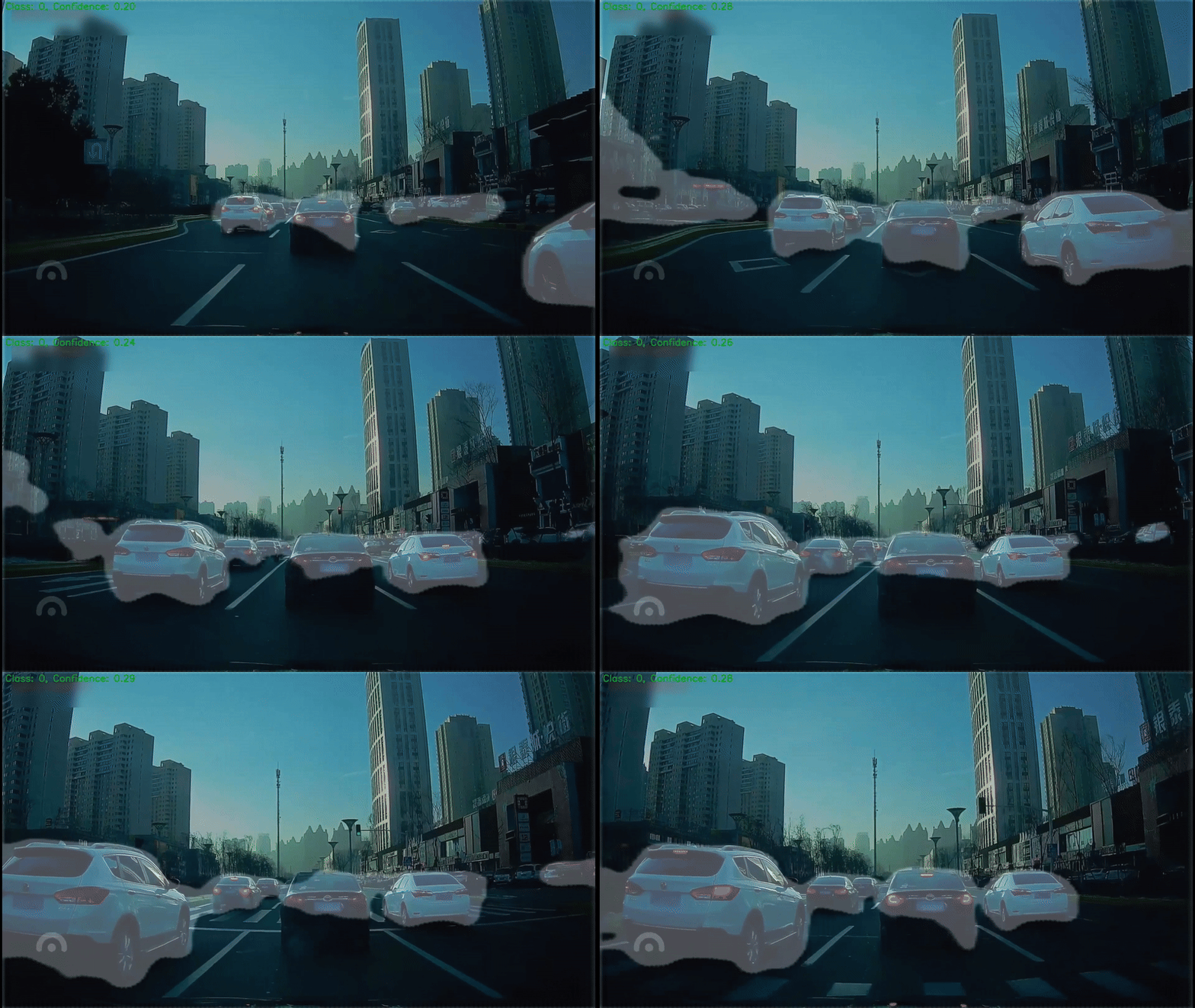
Evaluated MobileNetV2-U-Net and Xception-U-Net on BDD100K with transfer learning and targeted fine-tuning for nighttime scenes; README reports metrics (e.g., Xception-U-Net Dice ≈0.90, strong low-light gains) and outlines preprocessing, losses (Dice/BCE), and results.

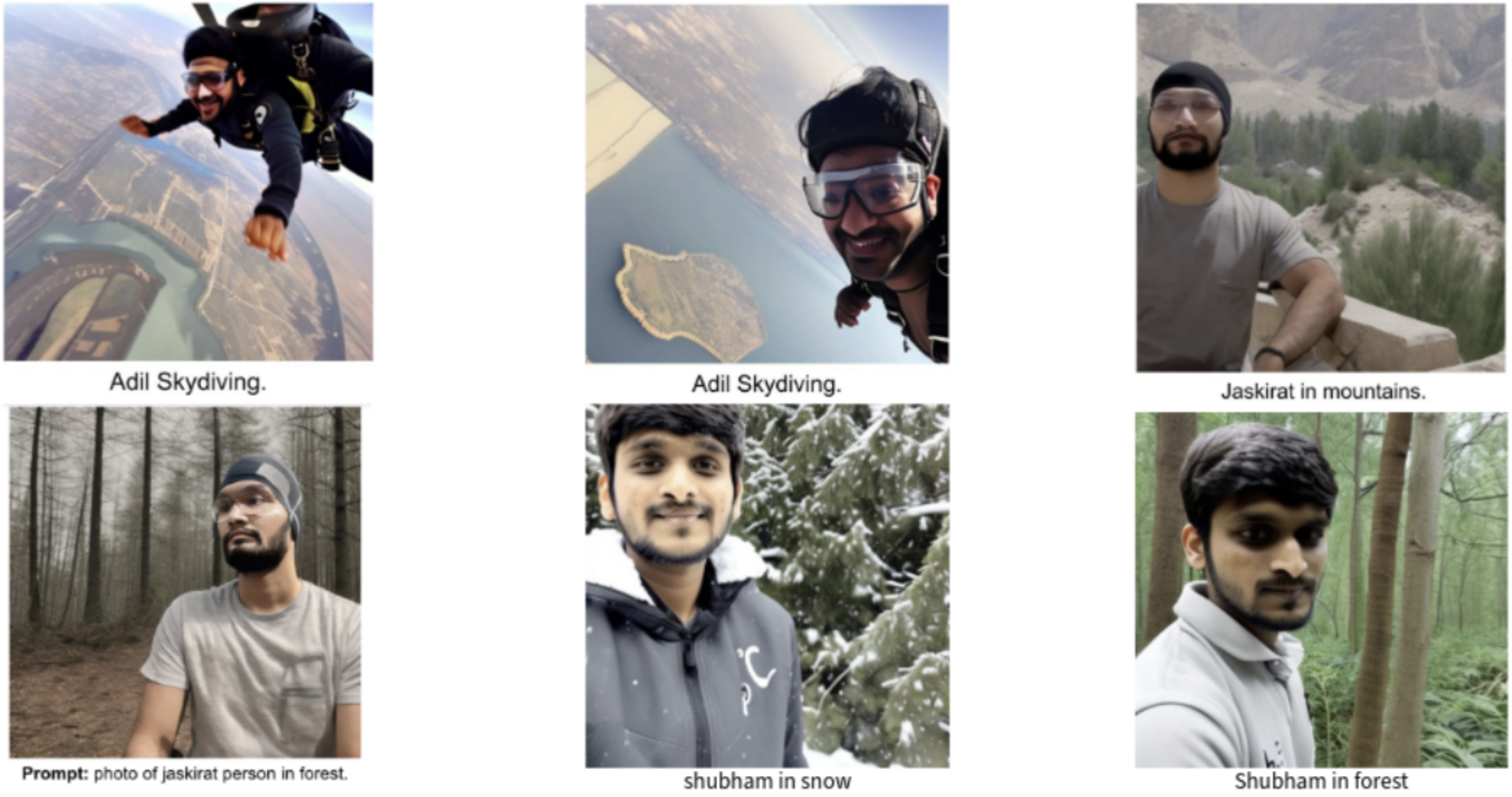
Speech to image generation demo

Speech→Image with Latent Diffusion

Dec 2024 || Diffusion Model

Pipeline that transcribes speech to text via Whisper and generates images using Stable Diffusion v2 fine-tuned with DreamBooth; README details motivation, dataset creation, training strategy (low LR, mixed precision), and links to presentation/demo.

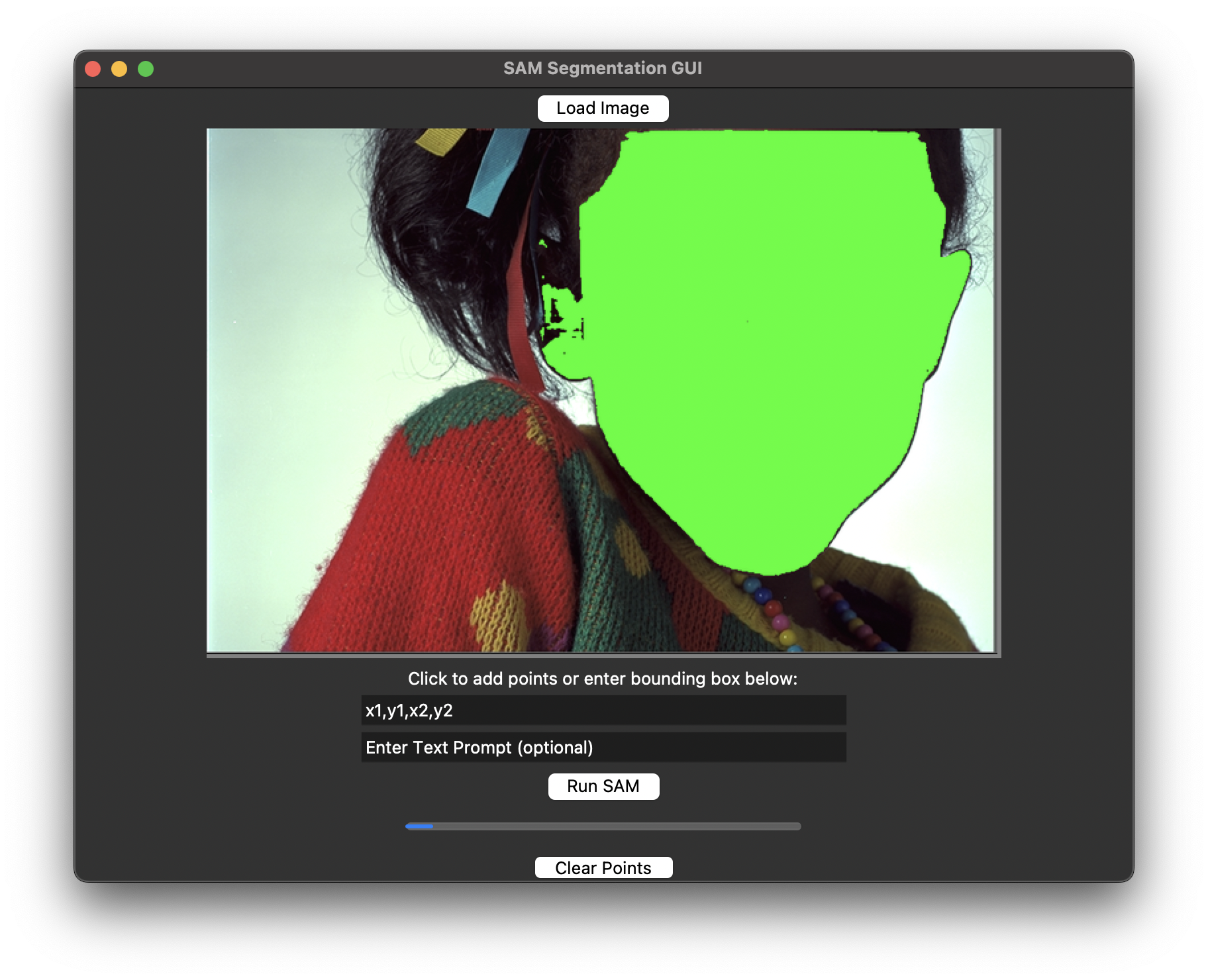
Segment Anything desktop GUI

Segment Anything Desktop GUI

Feb 2025 || Image Segmentation

Lightweight Tkinter interface for Meta’s SAM: load checkpoint (ViT-H/L/B), add point/box/text prompts, and visualize segmentation with a progress indicator. Usage instructions and model download links are included.

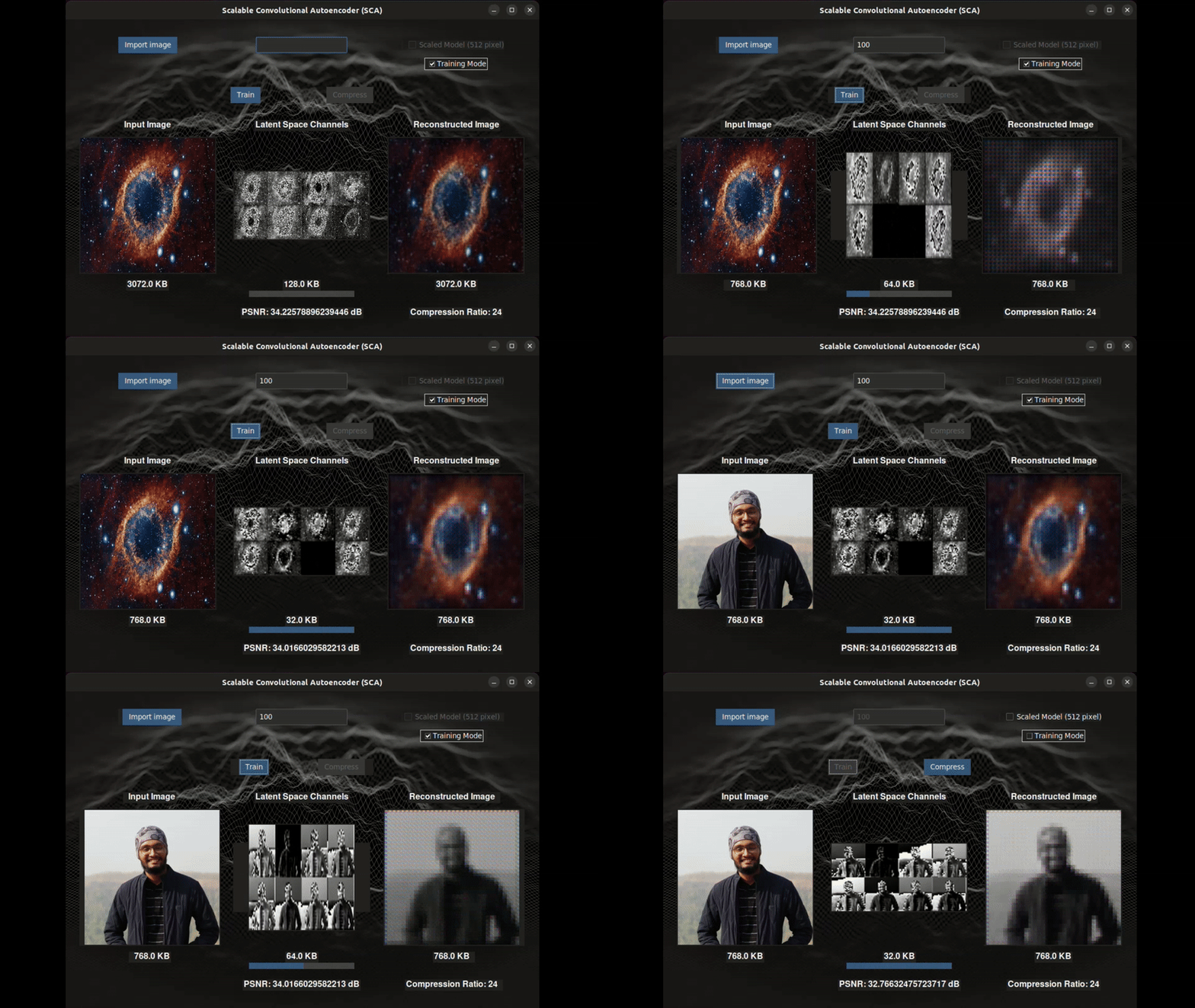
Scalable convolutional autoencoder demo

Scalable Conv Autoencoder (SCA)

Feb 2024 || Representation Learning

Trainable local autoencoder with a simple GUI to watch reconstructions evolve from the latent space; repo includes runnable scripts, requirements, and quick-start steps.

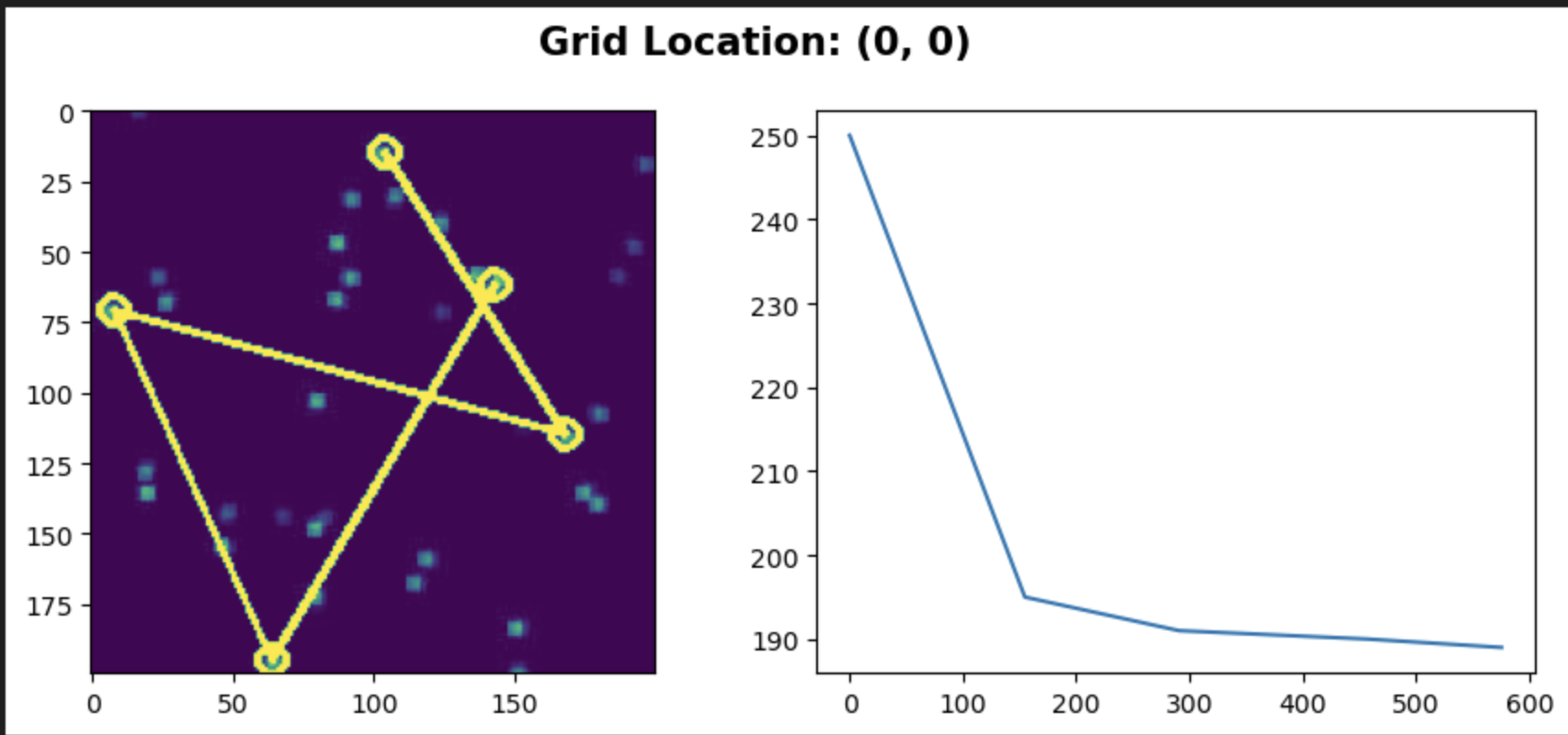
Star-based navigation via constellation matching

Star-Based Navigation

2023 · Computer Vision + Astronomy

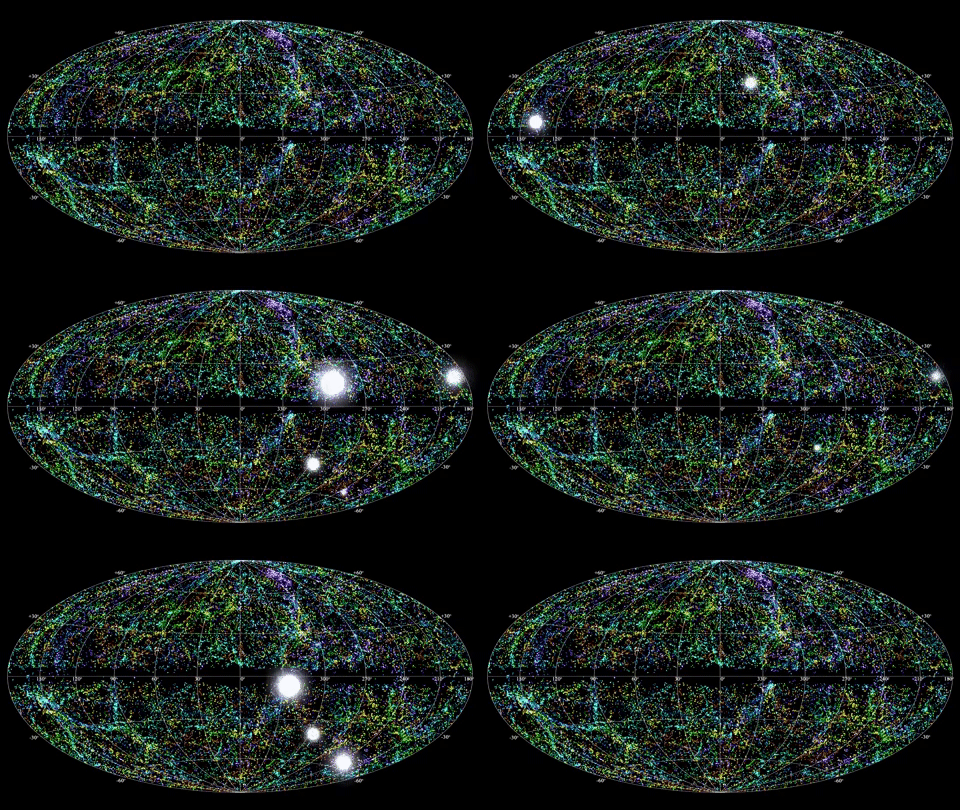
Estimated latitude and longitude of the object by matching sky/constellation patterns against star catalog references. Explored multiple matching strategies (template matching, feature matching + homography, and a grid-based approach) and combined methods to improve rotation/scale robustness.

Air-Draw virtual whiteboard with hand gestures

Air-Draw (Gesture-Controlled Virtual Whiteboard)

2023 · Computer Vision + HCI

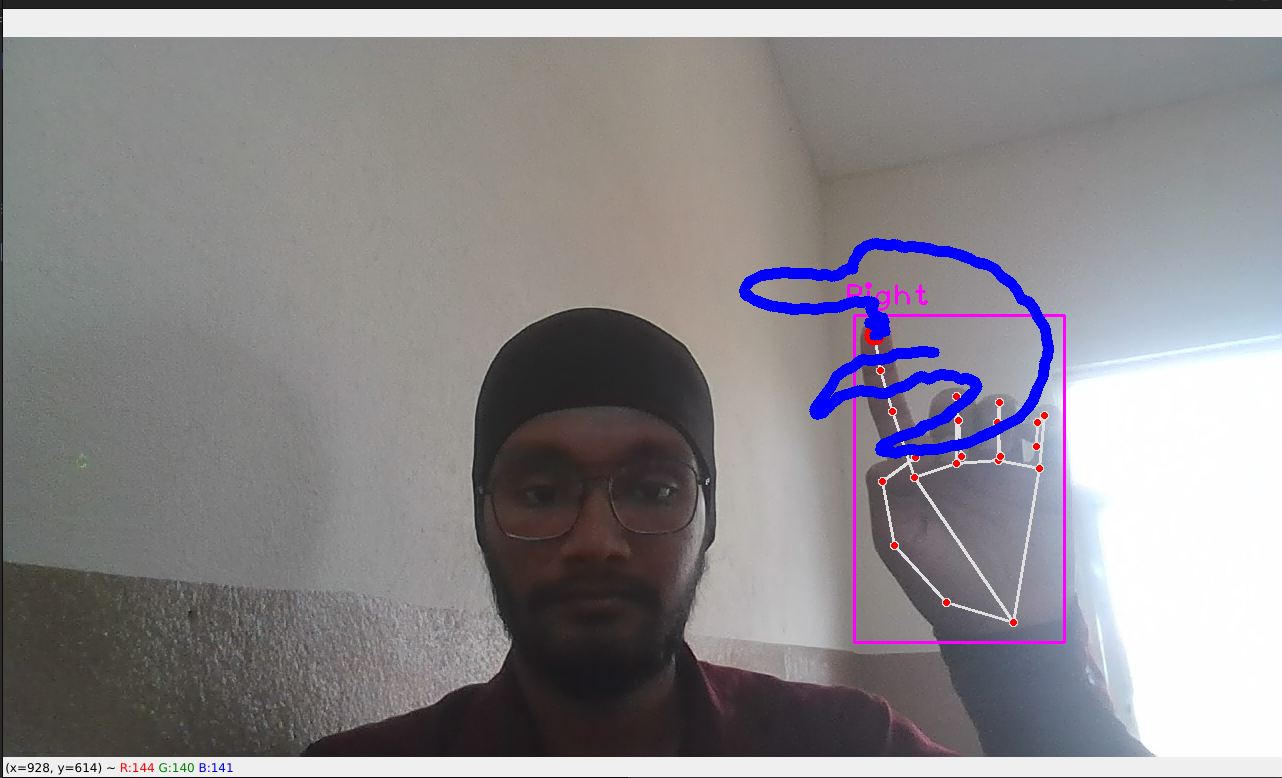
Real-time virtual whiteboard for online classes/meetings. Draw, erase, and change color/thickness using simple hand-gesture controls, enabling live annotation with a webcam-based interface.

Selected Publications

ViKey visible-light DAC thumbnail

ViKey: Secure Door Access Control Using Passive Visible Light Tags

IEEE MASS 2025
Jaskirat Sudan, Fatima Qasem, Hasky E Fynn, Fatima Mohammed, Ashwin Sarvadey, Tian Xie, Ang Li, and Xiao Zhang

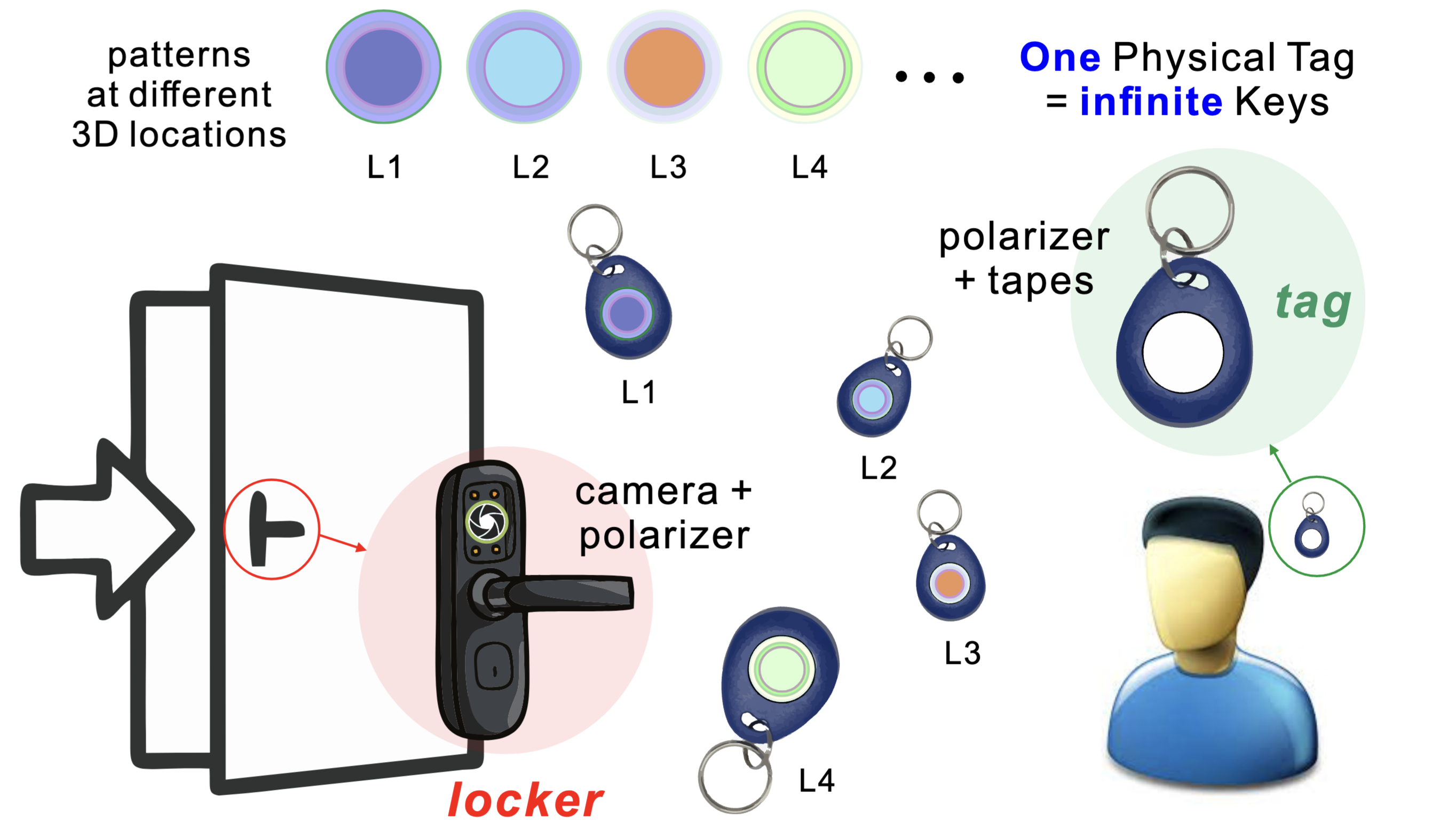
Low-cost, privacy-preserving door access control using visible-light backscatter. Polarized birefringence tags create 3D, position-dependent color keys; the <$0.20 COTS prototype achieves ~80% auth accuracy at 0.5 m.


ViKey Demo thumbnail

Demo: A Passive Optical Tagging Approach for Secure and Revocable Entry Systems

IEEE MASS 2025
Hasky Fynn, Jaskirat Sudan, Fatima Qasem, Fatima Mohammed, Xiao Zhang

We propose ViKey, the first visible light backscatter-based DAC system that utilizes polarized birefringence to generate 3D position-dependent color patterns as keys, enabling robust and contactless authentication.


Blogs

Radio Astronomy

Radio Astronomy

Mar 2023

How radio telescopes see what eyes can’t, revealing pulsars, black holes, and interstellar gas to map the invisible universe.

Algorithm that Averted Nuclear Conflict

Most Important Algorithm That Averted a Nuclear Conflict

Nov 2023

How an early-warning algorithm and crucial human judgment prevented a Cold War false alarm from escalating into catastrophe.